How to Choose the Right National Anthem for a School Assembly

A school assembly anthem has about forty seconds to do a job: gather a hall of children, mark an occasion, and send everyone out a little more settled than they arrived. Choose carelessly and you get mumbled words, a backing track in an unhelpful key, and a head teacher mouthing the second verse alone. Choose well and the singing does most of the work for you.
The song itself matters less than the preparation around it. Most anthems fail in assembly not because they are too difficult, but because nobody decided what they were for, who was going to lead, or how the words would get into children's mouths before the day.
Start with the purpose, not the song
Before you open a search tab, ask what the assembly is actually for. A Remembrance gathering wants something solemn, sung slowly, probably after the Last Post. St David's Day wants Hen Wlad Fy Nhadau, and children will sing it far more readily if they have heard it at a rugby match or a school concert first. A visit from a partner school in another country might call for that country's anthem as a welcome, played rather than sung.
Other occasions are subtler. A leavers' assembly, an international week, a sports send-off, a citizenship topic on identity — each points towards a different choice. Ask two questions: who is in the hall, and what do we want them to feel on the way out? The answers usually narrow the field to one or two pieces.
Know what you can realistically sing
Schools in the UK draw on a small, familiar pool of options. Each has strengths and awkward edges worth knowing about in advance.
- God Save the King — short, well known, one verse is manageable in under a minute. The words address the monarch directly, which some schools handle thoughtfully depending on their community.
- Jerusalem — already in the air at school concerts and the Last Night of the Proms. Strong for leavers' services and end-of-year occasions.
- Hen Wlad Fy Nhadau — the Welsh anthem, stirring and singable. The Welsh text needs proper teaching, so build in more rehearsal time than you would for an English song.
- Flower of Scotland — widely used at sporting occasions. Some people question whether it is an anthem at all, which is a genuinely interesting point to discuss with older pupils.
- Londonderry Air — often sung in Northern Ireland contexts. Northern Ireland has no formally agreed anthem, so tread carefully and ask colleagues locally before assuming.
- Other national anthems — useful for international days, twinning links and welcoming visitors. Keep them instrumental unless someone can teach the words properly.
Whatever you pick, check you have a reliable instrumental or backing track and a lyric sheet you are happy to put on a screen. If you are using a commercial recording, speak to your school's music lead about the licence the school holds for playing recorded music in public.
Match the anthem to the age group
Early years and Key Stage 1
Thirty to forty seconds is plenty. Play an instrumental version first, hum the opening phrase together, then sing just one line. Children this age copy confidently when they have heard something several times, so repetition across a fortnight beats a single rehearsal. Keep the pitch comfortable and speak the words in rhythm before adding the tune.
Key Stage 2
A full first verse is realistic over three short sessions. Spend a few minutes on what the unfamiliar words mean — reign, victorious, native land — because understanding tends to produce volume. If the anthem is in Welsh, break it into short phrases and repeat each one until it feels secure before moving on.
Key Stage 3 and 4
Older pupils can handle two verses, a discussion, and a bit of disagreement. Compare the four nations' songs, talk about when they are sung and why, and ask whether a country needs one anthem at all. They will sing more willingly once they sense it is a real question rather than an instruction.
Teach it in three short sessions
- Listen. Play a good recording with no singing allowed. Ask what pupils notice about the mood, tempo and any repeated phrases.
- Hum. Hum the melody on "mm" or "loo", then sing just the opening line. Humming removes the fear of getting words wrong.
- Speak, then sing. Say the line in rhythm together, then sing it. Add the next line only when the first is secure, then join them.
- Polish. Add dynamics, a clear starting breath and a decisive ending once the words are reliable, not before.
A hall that has heard a melody three times will sing it. A hall that meets it for the first time on the day will watch.
Handling sensitive occasions and mixed feelings
Not every pupil will want to sing, and that is worth respecting quietly. Explain what standing means in your school — a mark of respect, not a test of loyalty — and let children choose. Pupils with dual nationality may find the moment more complicated than adults expect, and a short, calm explanation from the front does more good than a lecture. Around Remembrance, keep the tone steady and hold the anthem until the silence has finished properly.
The practical details that decide whether it lands
Pitch is the most common problem. Aim for a melody that sits within about an octave and a note, with the highest note comfortable at speaking volume rather than a strain. If the accompanist can drop the key by a tone, do it. Tempo matters too: recordings made for stadium or ceremonial use are often faster and grander than a hall of seven-year-olds can manage.
Test the sound system in the actual hall before the day, and decide who gives the cue, who starts the singing, and where the words appear. If your singer or pianist is unwell, have an a cappella plan. Print words, including a rough pronunciation guide for any language other than English, and ask a fluent speaker to check it first.
The week before: a five-minute checklist
- Confirm the key and tempo with whoever is accompanying.
- Check the backing track plays through the hall speakers, at the right volume.
- Brief staff on when to stand and what to do with their hands.
- Get lyrics on screen, large enough to read from the back row.
- Decide who leads the first line, and agree a signal.
- Have a fallback: instrumental only, or one verse sung unaccompanied.
Do those small things and the anthem stops being an ordeal to be got through. It becomes the moment everyone remembers — the one where the hall filled with sound, and nobody had to be told twice to join in.
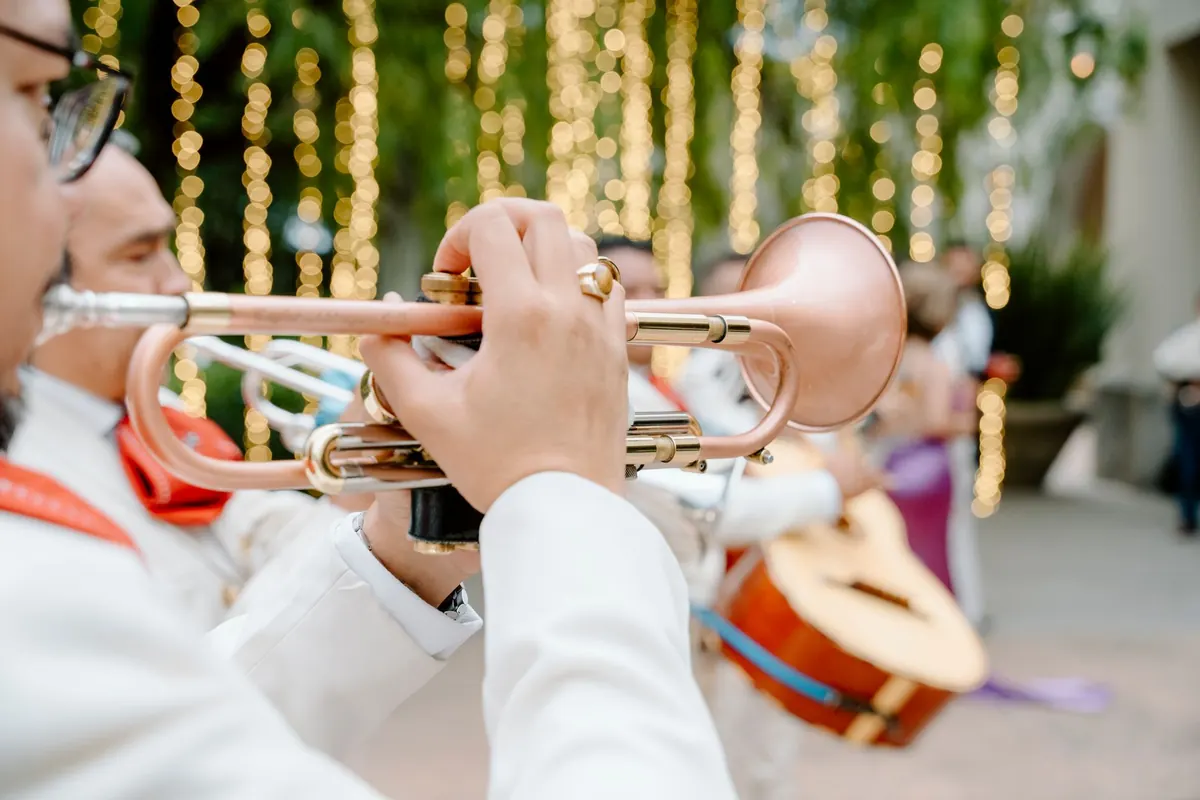
Photo: Partha Dutta / Pexels